Selecting the correct crane for your construction or logistics project in Kenya can be the difference between on-time, on-budget delivery and costly project delays. This guide walks you through every key decision point when hiring cranes in Kenya.
Step 1: Determine the Required Lifting Capacity
The first step is to know the maximum weight you need to lift, including the load itself plus any rigging equipment (slings, shackles, spreader beams). Always add a safety margin of at least 25% to your calculated maximum load.
Step 2: Assess the Lift Height and Radius
Crane capacity charts show the relationship between lift capacity, hook height, and working radius. A crane that can lift 50 tonnes at 5 metres radius may only lift 20 tonnes at 15 metres. Our engineers can help you read these charts and select the right crane.
Step 3: Consider the Site Conditions
Site access, ground bearing capacity, overhead obstructions (power lines, existing structures), and available working space all influence crane selection. Soft or waterlogged ground may require crane mats to distribute the outrigger loads.
Step 4: Choose the Right Crane Type
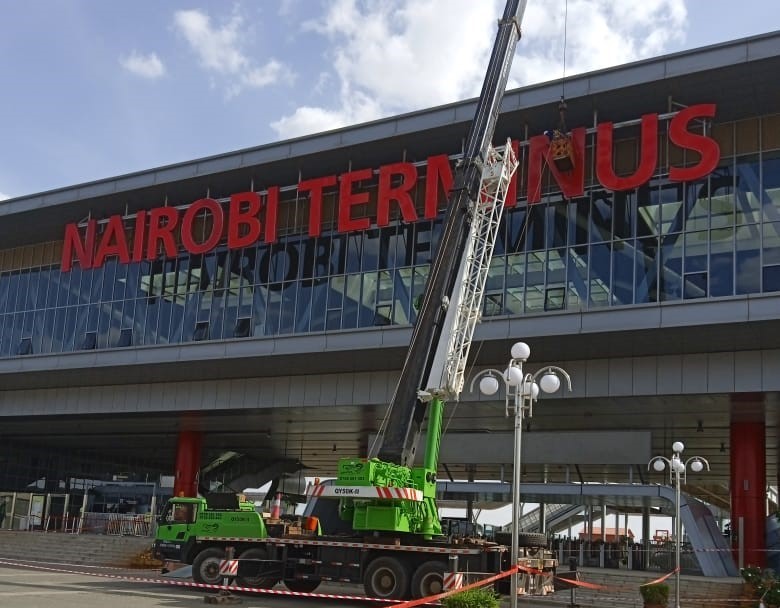
- Mobile Cranes — Best for flexibility and fast setup, ideal for most Kenyan construction sites
- Tower Cranes — Best for high-rise buildings where the crane needs to remain static for months
- Rough Terrain Cranes — Best for remote sites with difficult access roads
- Crane Trucks — Best for smaller lifts combined with material delivery
Step 5: Get a Site-Specific Lift Plan
For complex or critical lifts, we provide a full written lift plan including rigging drawings, crane position, exclusion zones, and risk assessment. This is essential for insurance compliance and safe operation.
Contact Our Crane Experts in Kenya
Not sure which crane is right for your project? Call our technical team on +254 700 000 000 for a free consultation.